
What Is Hands-Free Operations?
Hands-free operations (also called No-Touch Safety) is a work method where tasks are performed without placing hands in danger zones.
Instead of using hands to guide, align, stabilize, or position materials, engineered tools such as taglines, push-pull tools, magnetic lifters, and load control devices are used to maintain safe distance from energy sources.
It is not about wearing better gloves.
It is about removing hands from exposure altogether.
Hands-free operations follow the Hierarchy of Controls — eliminating or engineering out the hazard rather than depending only on PPE.
Why Hands-Free Operations Are Important
In heavy industries, most injuries are hand injuries. And most of them happen during routine tasks, not complex ones.
When hands are near:
Suspended loads
Moving machinery
Hot metal
Pinch points
Crush zones
The risk is immediate and severe.
Implementing hands-free methods:
Reduces crush and pinch injuries
Improves load control
Increases operational efficiency
Standardizes safer work practices
Protects workforce productivity
It shifts safety from reaction to prevention.
Why Hands Should Not Be Part of High-Risk Operations in Heavy Industries
Heavy industries involve uncontrolled energy — mechanical, gravitational, hydraulic, thermal, and impact forces. Human hands are not designed to withstand these forces.
Hands should not enter operations because:
1. Hands Are in the Line of Fire
Loads can swing, shift, drop, or rotate unexpectedly. Even a small movement can cause severe crush injuries.
2. Reaction Time Is Slower Than Energy
Machinery and suspended loads move faster than a human can react. Once hands are in, escape may not be possible.
3. “Just for a Moment” Causes Most Injuries
Many incidents occur during quick adjustments or stabilizing movements — tasks that feel harmless but expose hands to high energy.
4. PPE Is Not Enough
Gloves protect from cuts and minor abrasions — not from crushing steel, heavy plates, or suspended loads.
HandsFree Operations With NoTouch HandsFree Tools
HandsFree Operations With NoTouch HandsFree Tools define how modern industrial safety eliminates hand exposure risks.
In high-risk industrial environments, most hand injuries do not occur during complex operations.
They happen during routine tasks — when hands are placed too close to energy sources.
This is where HandsFree Operations With NoTouch HandsFree Tools become critical.
If a task requires hands near suspended loads, hot materials, moving steel, or pinch points, the issue is not the worker.
The issue is the task design.
HandsFree Operations With NoTouch HandsFree Tools address this by redesigning how tasks are performed.
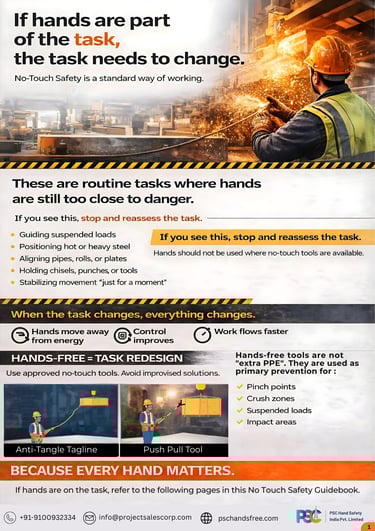
Stop and Reassess When You See This in HandsFree Operations With NoTouch HandsFree Tools environments:
These are common activities where hands are still unnecessarily exposed to danger:
Guiding suspended loads
Positioning hot or heavy steel
Aligning pipes, rolls, or plates
Holding chisels, punches, or hand tools near impact zones
Stabilizing movement “just for a moment”
These situations create exposure to:
Pinch points
Crush zones
Impact areas
Suspended load hazards
Hands should never be used where engineered no-touch tools are available.
This is the core principle behind HandsFree Operations With NoTouch HandsFree Tools.
HandsFree Operations With NoTouch HandsFree Tools apply wherever hands are still used in:
Hands-Free / No-Touch Operations apply wherever hands are still used in:
Pinch points
Crush zones
Suspended load paths
Impact and striking areas
Rotating or rolling components
If hands are required to complete the task,
the task itself is incomplete.HandsFree Operations With NoTouch HandsFree Tools complete the task safely without hand exposure.
Hands-Free Operations exist to complete that task safely.
We serve HandsFree Operations With NoTouch HandsFree Tools designed to support Hands-Free Operations.
We serve Hands-Free / No-Touch Safety Tools designed to support Hands-Free Operations.
These tools:
Do not replace PPE
Do not rely on grip strength or reflexes
Do not depend on individual skill
They exist to:
Create distance
Provide controlled interfaces
Remove hands from danger zones
Support standardised, defensible work methods
These outcomes are achieved through HandsFree Operations With NoTouch HandsFree Tools.
Hands-Free tools are not “extra protection”.
They are the method itself.
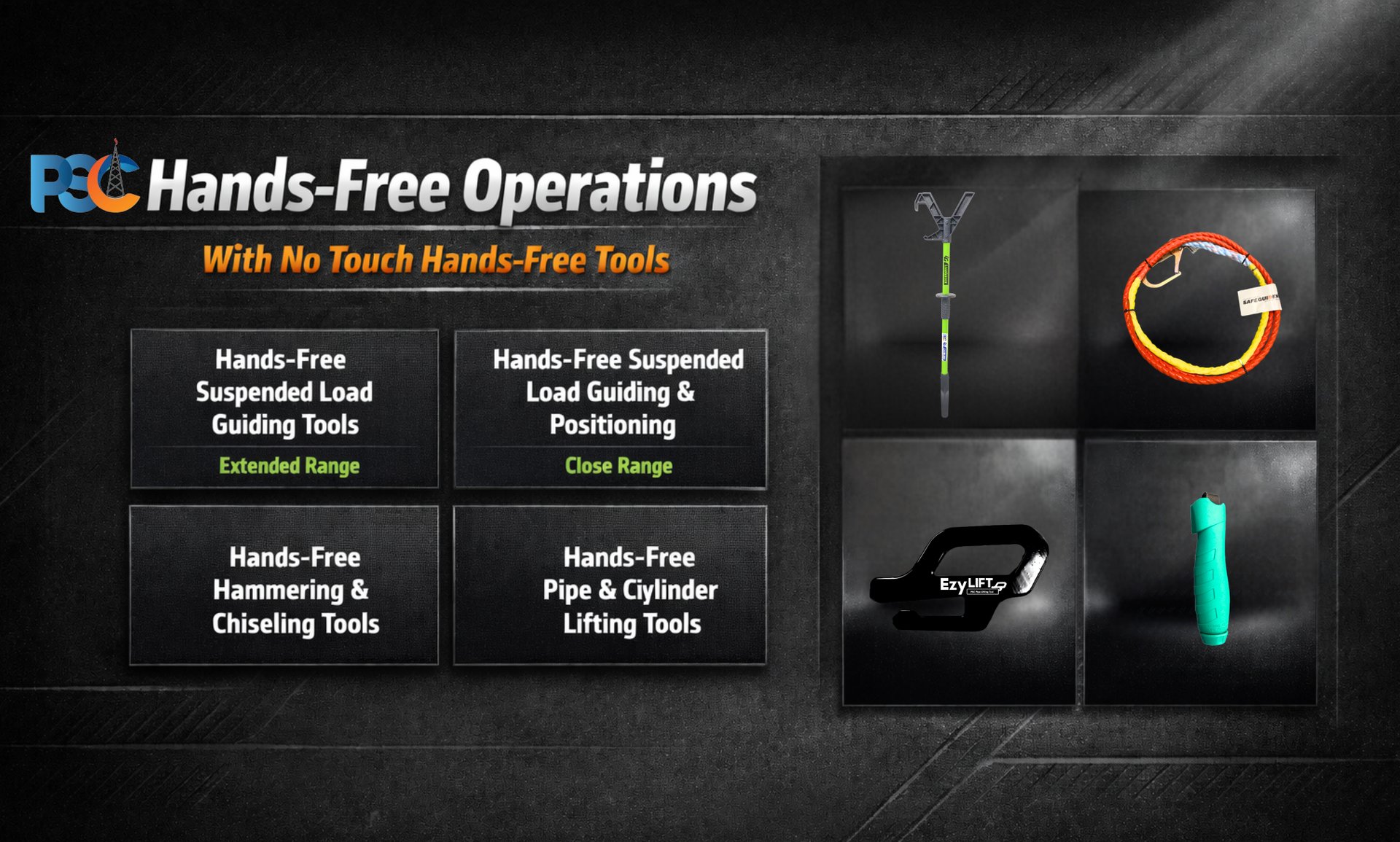
HandsFree Operations With NoTouch Hands-Free Tool Categories
Hands-free tools engineered to eliminate hand exposure hazards.
No Touch Hands-Free Suspended Load Guiding & Positioning Tools (Close-Range)
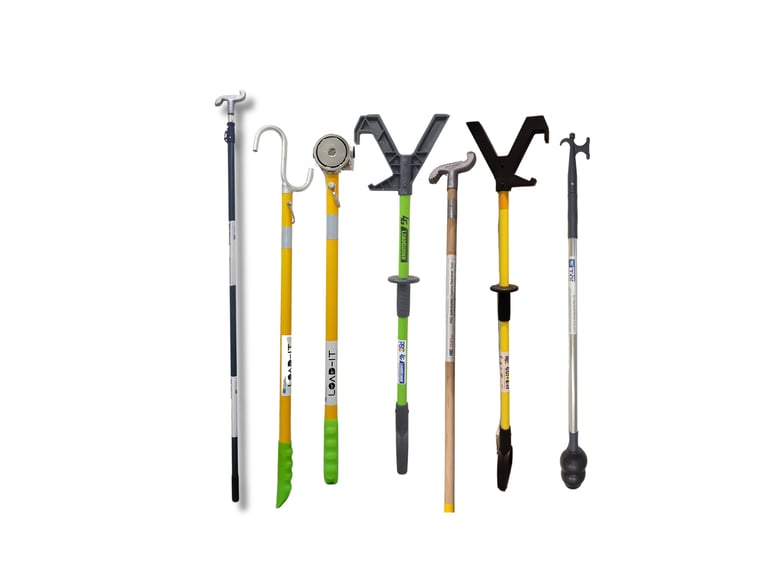
Push-pull control tools designed for safe positioning and alignment of loads without hands entering pinch or crush zones.
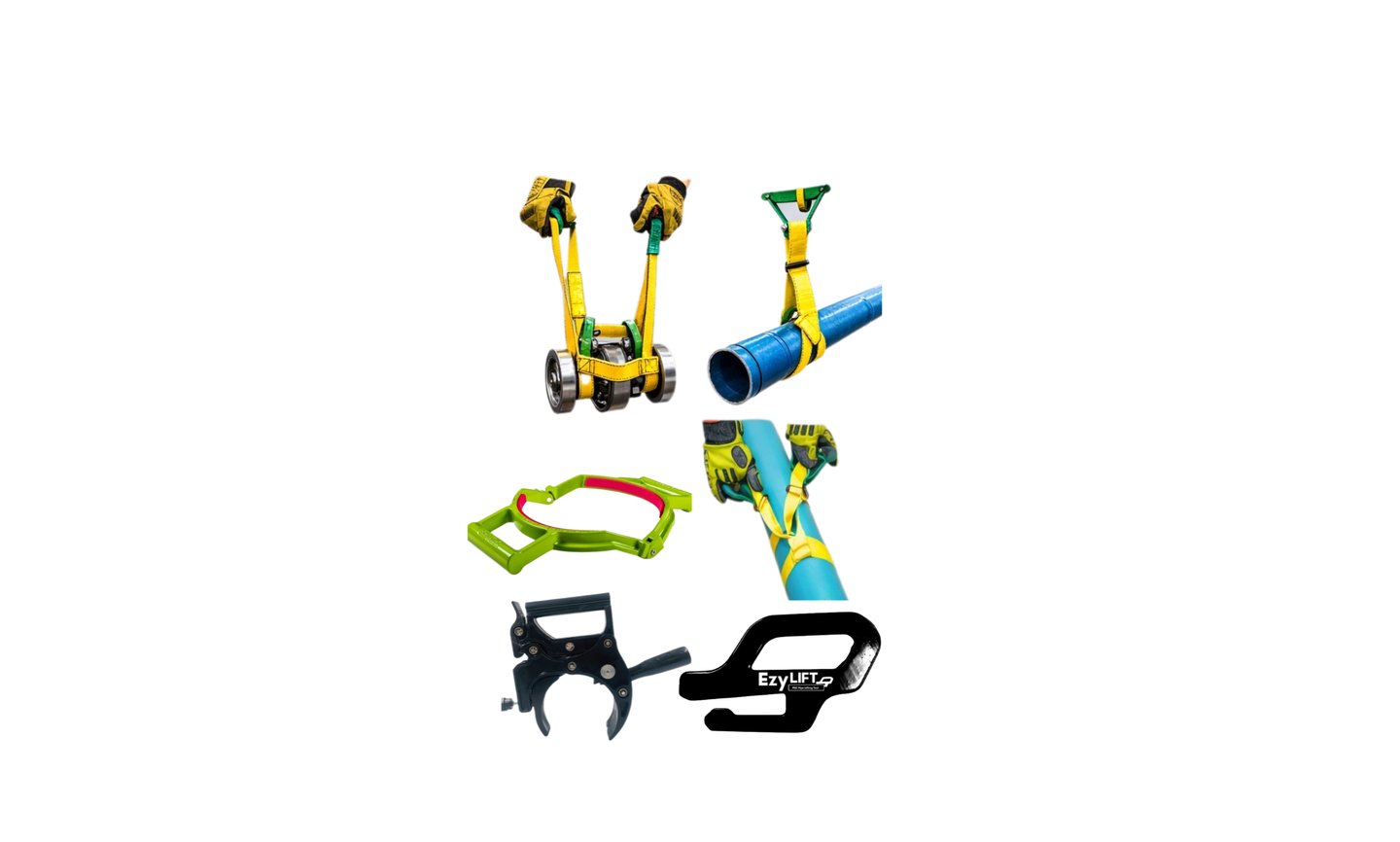
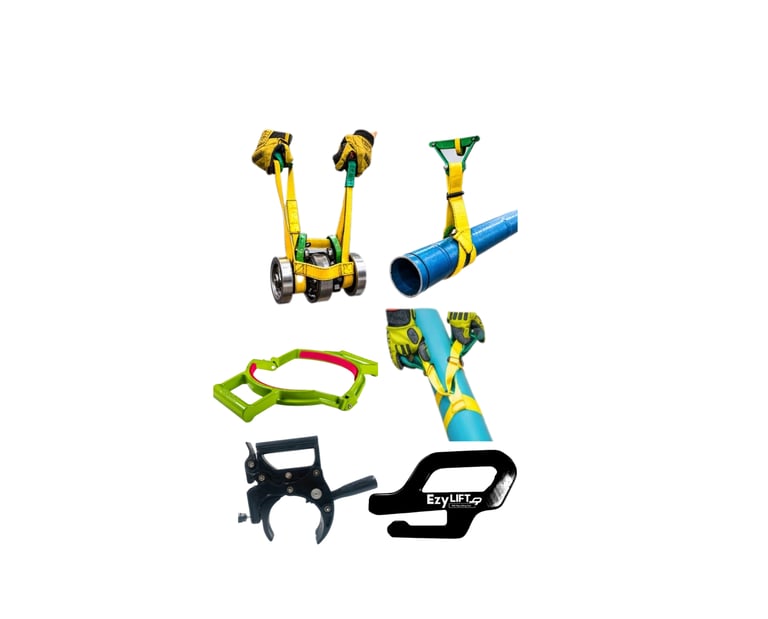
No Touch Hands-Free Pipe & Cylinder Lifting Tools
Engineered tools for handling pipes and cylinders without direct hand contact, reducing crush, roll, and grip-failure risks during manual handling.
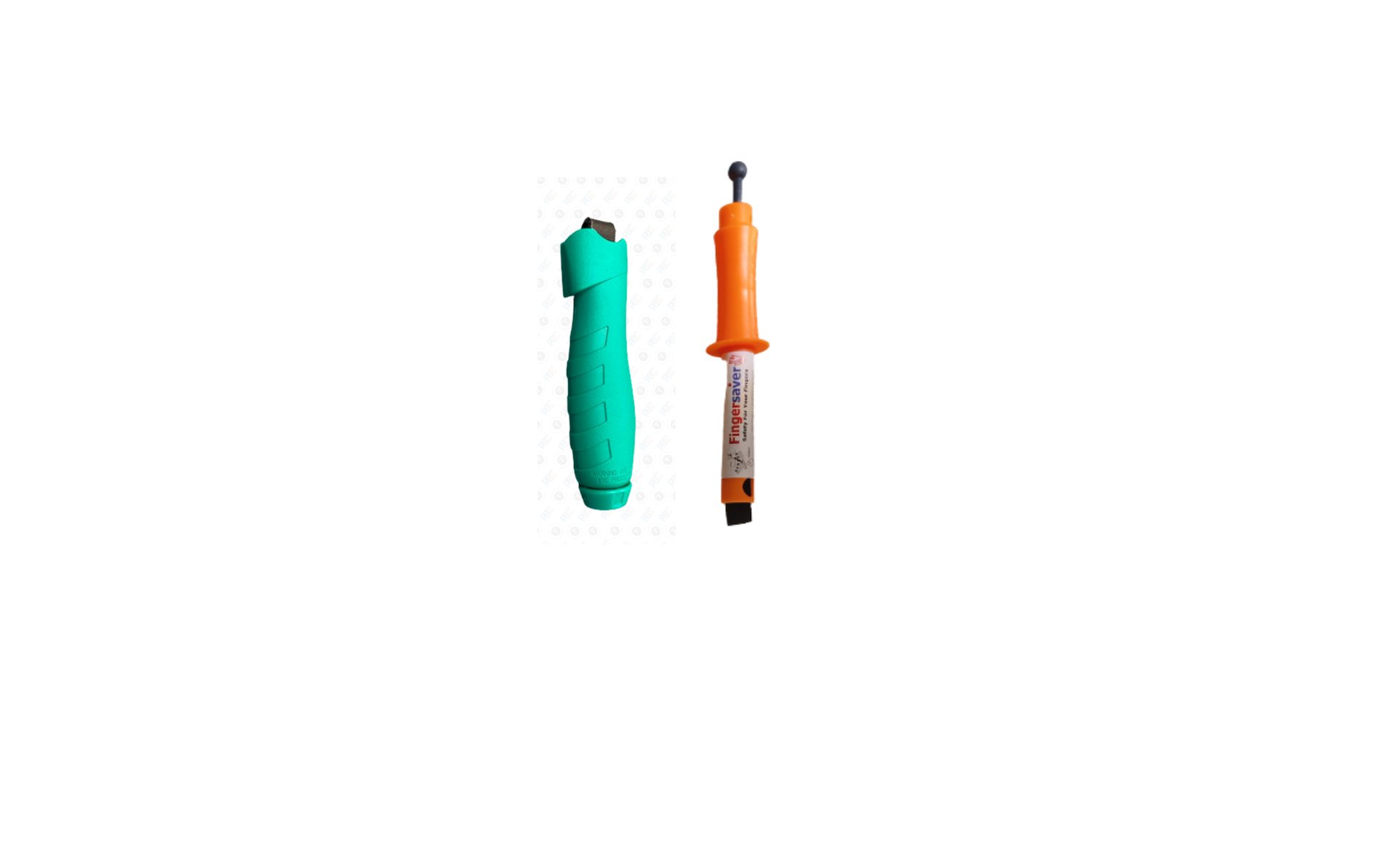
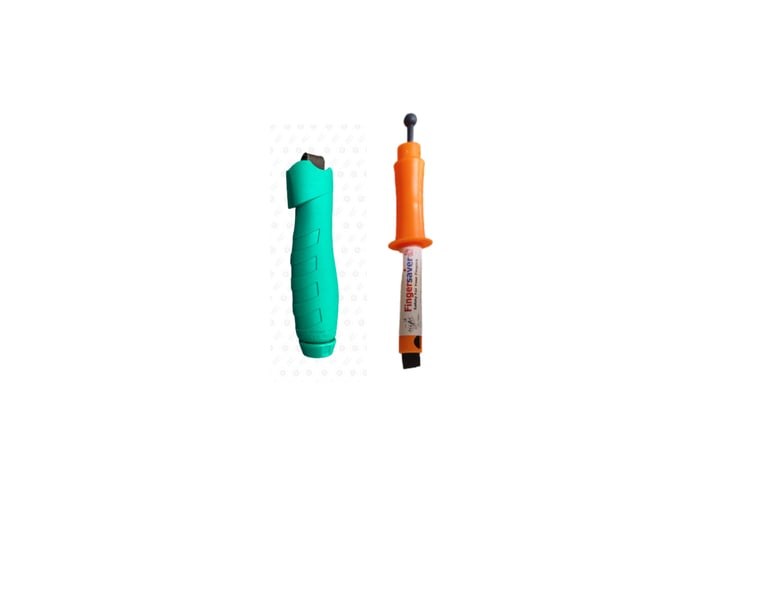
Hands-off holding tools that remove fingers from impact zones during striking, chiseling, and punching operations.
No Touch Hands-Free Hammering & Chiseling Tools
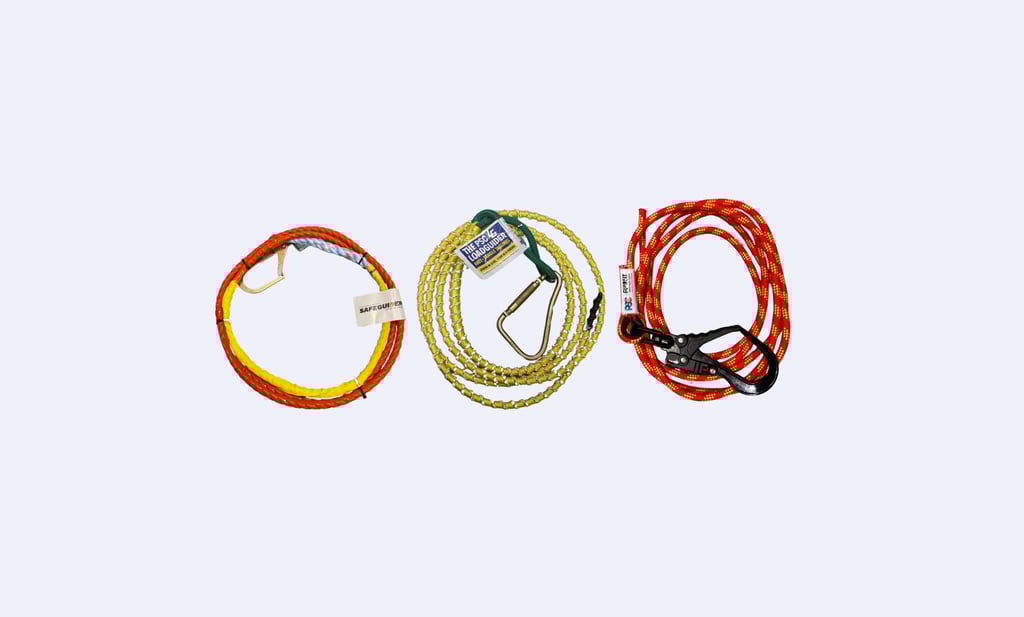
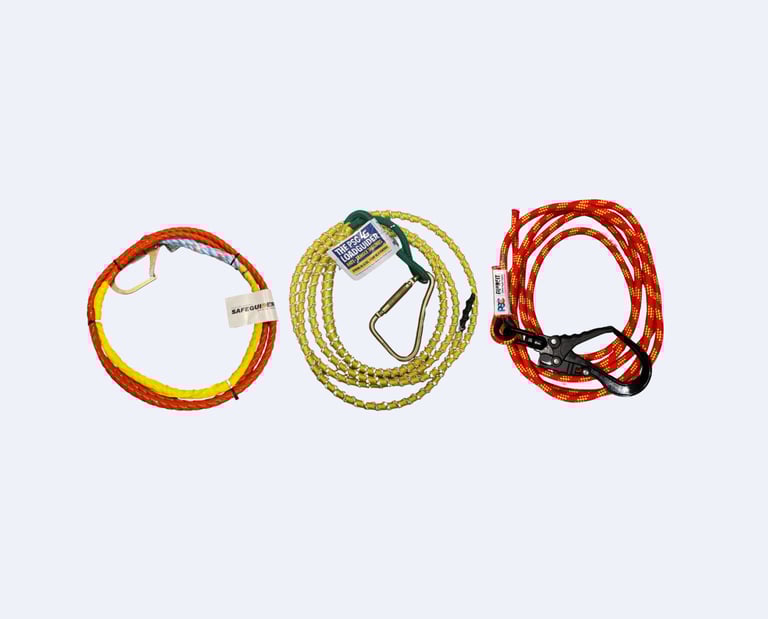
Extended-reach tools and engineered taglines designed to establish load control early, keeping workers outside swing paths and fall zones.
No Touch Hands-Free Suspended Load Guiding Tools (Extended-Range)
1.Hands-Free Pipe & Cylinder Lifting Operations
2.Hands-Free Hammering & Chiseling Operations
3. Hands-Free Suspended Load Guiding & Positioning Operations
4.Hands-Free Suspended Load Guiding Operations
Hands-Free Operations Are a System of Work
→ Task Redesign
→ Tool Selection
→ Defined Exclusion Zones
→ Zero Hand Exposure
Design the method first. Tools follow the method. Safety follows both.
This is the foundation of HandsFree Operations With NoTouch HandsFree Tools.






3A, 3rd floor, Founta Plaza, Suryabagh, Visakhapatnam-530020, AP, India.
+91 9100932334
info@projectsalescorp.com
pschandsfree.com
Dubai Silicon Oasis, Building A1, IFZA Business Park, DDP, Dubai, United Arab Emirates
(+971) 50-457-2844
info@pscdubai.com
pscdubai.com
134 Vintage Park Blvd, Ste A #1006, Houston, TX 77070
(984) 322-1807
info@pschoustonllc.com
pschoustonllc.com